6 Essential Documents Needed For A Car Insurance Claim
6 Essential Documents Needed For A Car Insurance Claim
Home » 6 Essential Documents Needed For A Car Insurance Claim
8 March 2026By Miguel Florendo
6 Essential Documents Needed For A Car Insurance Claim
Understanding car insurance claim requirements is critical when you’re dealing with the aftermath of an accident. Insurance companies rely heavily on documentation to evaluate what happened, who is responsible, and how much compensation should be paid. Missing or incomplete documents can slow down the process or lead to disputes that affect your outcome.
This guide outlines the key documents you need and explains why each one matters during a claim.
Accident Report and Police Documentation
One of the most important documents in any claim is the police report. It provides an official account of the accident, including details about the parties involved, road conditions, and initial observations about fault.
Insurers often rely on this report when reviewing claims, especially when there are conflicting statements. It helps establish a baseline version of events and reduces uncertainty during evaluation. This is also why car accident lawyers in New Jersey closely examine police reports when assessing the strength of a claim.
If law enforcement responded to the scene, request a copy of the report as soon as it becomes available. This document often carries more weight than personal statements alone.
Photographic and Video Evidence From the Scene
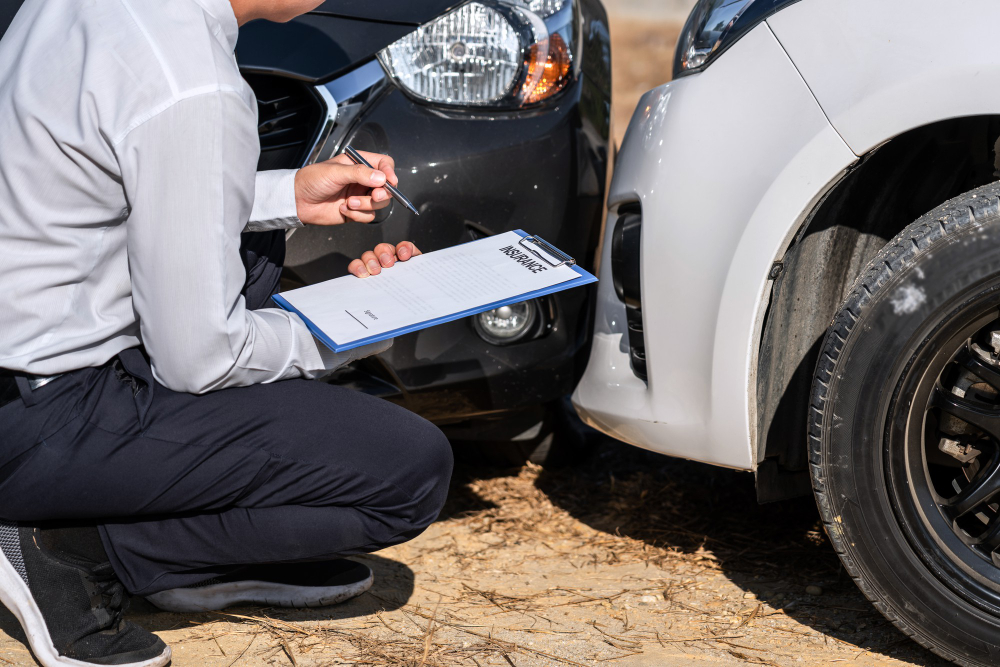
Visual documentation plays a critical role in supporting your claim. Photos and videos capture details that may not be reflected in written reports.
This includes images of vehicle damage, road conditions, traffic signals, and any visible injuries. Taking photos from multiple angles helps provide a complete picture of what happened.
Clear visual evidence can prevent disputes and strengthen your position if the insurer questions aspects of your claim. It also helps adjusters assess damage more accurately.
Driver and Vehicle Information Records
Accurate information about everyone involved in the accident is essential. This includes names, contact details, license plate numbers, and insurance policy information.
Providing complete and correct details makes sure that insurers can verify coverage and communicate with all parties involved. Missing or incorrect information can delay the process or create complications during evaluation.
Medical Records and Treatment Documentation
If the accident resulted in injuries, medical records become a key part of your claim. These documents connect the accident to your injuries and outline the treatment required.
This includes hospital records, prescriptions, diagnostic reports, and ongoing treatment notes. Insurers review these documents to assess the extent of injury and related costs.
Incomplete medical documentation can weaken your claim or result in lower compensation.
Repair Estimates and Damage Assessments
Repair estimates provide a financial breakdown of the damage to your vehicle. These are typically prepared by repair shops or evaluated by an insurance adjuster.
Getting more than one estimate can help you understand the actual cost of repairs and identify any discrepancies. Insurers may compare these estimates before approving payment.
These documents are essential in determining whether the vehicle can be repaired or considered a total loss. Without them, it becomes difficult to justify the amount being claimed.
Insurance Policy and Claim-Related Correspondence
Your insurance policy defines what is covered and what is not. Having a copy of your policy allows you to verify whether your claim falls within coverage.
In addition, keep records of all communication with your insurer. This includes emails, letters, and notes from phone conversations.
Clear documentation of communication helps resolve misunderstandings and provides a record if issues arise. It also becomes important if the claim is delayed or questioned.
Why Complete Documentation Matters More Than You Think
Insurance companies evaluate claims based on evidence, not assumptions. Each document contributes to building a clear and consistent narrative of the accident.
Gaps in documentation can create doubt, even when the claim is valid. Missing records, unclear timelines, or inconsistent information can lead to delays or denials.
This is often where individuals begin to understand the value of working with an auto accident lawyer NJ residents trust when claims become more complex or disputed.
How Documentation Impacts the Outcome of Your Claim
Strong documentation does more than support your claim; it influences how it is handled from start to finish. It affects how quickly the insurer can process your case and how confidently decisions are made.
Understanding what car accident lawyers do for you becomes important when documentation needs to be reviewed, organized, or strengthened.
When Additional Support Becomes Necessary
Some claims involve multiple parties, disputed fault, or unclear evidence. In these situations, documentation alone may not be enough.
Professionals offering legal services can step in to review your case, identify missing elements, and guide you on how to proceed.
Support That Keeps Your Claim on Track
Handling documentation on your own can become overwhelming, especially when multiple records and deadlines are involved. We step in to organize your claim, ensure nothing is missing, and deal directly with insurers on your behalf.
If you’re unsure whether your documentation is strong enough or facing delays, reach out for a free consultation. We’ll review your situation and help you move forward with clarity and confidence.
10 September 2025By Miguel Florendo
Nine Essential Questions To Ask A Personal Injury Attorney
Finding yourself injured in an accident caused by someone else's carelessness is a difficult situation....
Get trusted legal guidance—fill out the form below to schedule your confidential consultation today.
Frequently Asked Questions.
Mark Yampaglia Law PC offers affordable legal representation on a fixed-charge basis. For personal injury and related claims, they use a percentage-of-award billing method, meaning they are not compensated until your case is won.
You can schedule a free initial one-on-one case evaluation consultation with Attorney Mark Yampaglia by calling Mark Yampaglia Law PC.
Yes, the firm is dedicated to providing the time and attention needed to achieve a positive outcome for your case. They also offer personalized attention from a dedicated attorney throughout the duration of your settlement.
If you have been injured due to another person’s actions or negligence in New York or New Jersey, you should contact Mark Yampaglia Law PC. They will schedule a free initial one-on-one case evaluation consultation with Attorney Mark Yampaglia to advise you on how to proceed based on the facts of your claim.