Auto Accident Compensation: 11 Types Of Injury Payouts
Auto Accident Compensation: 11 Types Of Injury Payouts
Home » Auto Accident Compensation: 11 Types Of Injury Payouts
24 May 2026By Miguel Florendo
Auto Accident Compensation: 11 Types Of Injury Payouts
Quick Summary
Auto accident compensation may cover medical expenses, lost wages, reduced earning capacity, property damage, rehabilitation, pain and suffering, and other accident-related losses. New Jersey’s no-fault and comparative negligence rules can affect which damages are available and how much an injured person may recover. Strong documentation and guidance from Mark Yampaglia Law PC can help accident victims identify applicable losses and pursue fair compensation.
When people search for information on auto accident compensation, they are often surprised to learn how many separate categories of damages a claim can include. A settlement is rarely a single number pulled from thin air. Instead, it is the sum of specific, documented losses tied to the accident. Understanding each category helps you recognize whether an insurance offer accounts for the full scope of what you have lost.
How New Jersey Law Shapes Your Payout
Before reviewing the types of compensation available, it helps to understand two rules that shape nearly every New Jersey auto accident claim.
First, the state’s no-fault insurance system requires every driver to carry Personal Injury Protection coverage, with a minimum of $15,000 per person per accident, which pays medical costs regardless of fault.
Second, New Jersey’s modified comparative negligence rule, N.J.S.A. 2A:15-5.1, reduces your compensation by your percentage of fault and bars recovery entirely if you are found more than fifty percent responsible.
Both rules directly affect how much of the compensation described below you may ultimately recover, and both are reasons to have a knowledgeable advocate reviewing your claim.
If you need guidance with your claim, an auto accident lawyer NJ can help you understand your rights and potential recovery.
11 Types of Auto Accident Compensation
Medical Expenses: Covers emergency room visits, surgery, imaging, medication, and ongoing treatment, including reasonably anticipated future medical costs. These expenses may also include follow-up appointments, specialist care, and other accident-related healthcare needs.
Lost Wages: Reimburses the income you lost while you were physically unable to work because of your injuries. Documentation such as pay stubs, employment records, and statements from your employer may help establish these losses.
Loss of Earning Capacity: Applies when your injuries permanently limit your ability to earn at your prior level or in your prior occupation. The calculation may consider your skills, career trajectory, age, and expected future earnings.
Pain and Suffering: Compensates for the physical pain and the toll an injury takes on your daily life and activities. The severity and duration of your injuries can influence the amount of compensation available.
Emotional Distress: Covers anxiety, post-traumatic stress, or other psychological harm connected to the accident. These effects may interfere with sleep, relationships, work, and your ability to enjoy everyday activities.
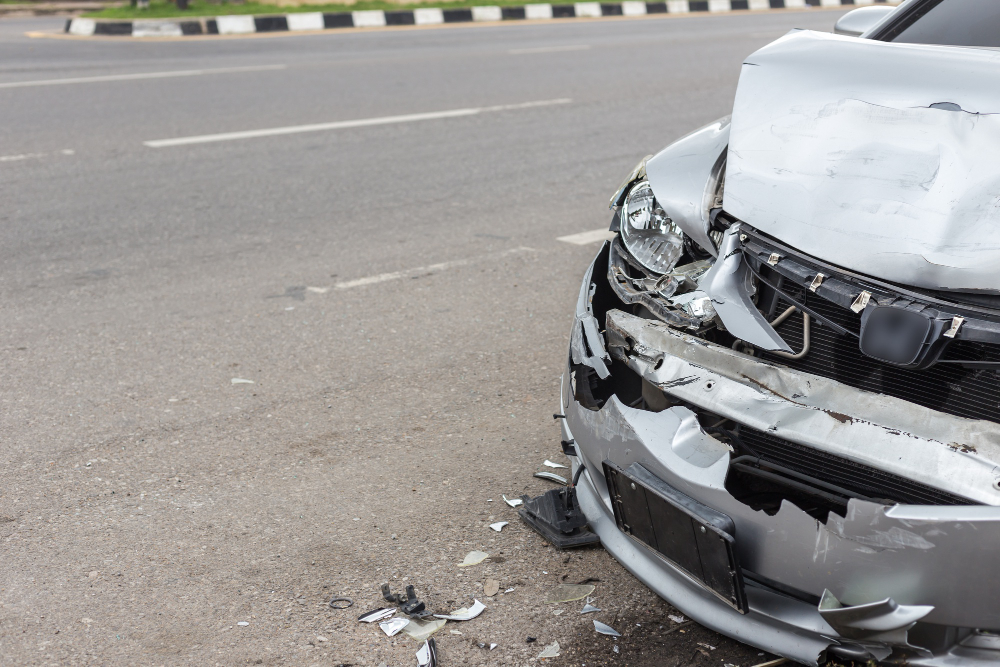
Property Damage: Reimburses the cost to repair or replace your vehicle and any personal property damaged in the crash. Compensation may also account for other reasonable expenses resulting from damage to your property.
Rehabilitation and Physical Therapy: Covers costs beyond initial treatment, including physical therapy, occupational therapy, and assistive devices. These services can help accident victims regain mobility, independence, and function after serious injuries.
Permanent Disability or Disfigurement: Provides additional compensation for injuries that leave a lasting physical impact. The long-term effects on your appearance, mobility, employment, and quality of life may factor into the claim.
Loss of Consortium: Compensation available to a spouse for the loss of companionship and support caused by a partner’s injury. The injury may affect marital companionship, affection, household responsibilities, and other aspects of the relationship.
Punitive Damages: Reserved for cases involving especially egregious conduct, such as drunk driving, and intended to punish rather than compensate. Availability depends on applicable state law and the specific circumstances surrounding the defendant’s conduct.
Wrongful Death Damages: When an accident is fatal, surviving family members may pursue medical and funeral expenses, lost financial support, and loss of companionship through a wrongful death claim.
Factors That Influence the Value of Each Category
Not every claim includes all 11 categories, and the value assigned to each one depends heavily on the specific facts of your case. The severity of your injury, the length of your recovery, the strength of your medical documentation, and whether your injuries are likely to affect you long term all play a role in how an insurer, or a jury, values your claim. Two people with similar accidents can walk away with very different settlements simply because one presented far stronger documentation than the other.
This is one of the primary reasons insurance companies rarely volunteer information about every category of compensation you may be owed. Their initial offer often reflects the categories that are easiest to calculate, such as medical bills and property damage, while overlooking harder to quantify losses like diminished earning capacity or the long-term impact of a permanent injury.
Don’t Wait to Pursue What You Are Owed
New Jersey law generally allows two years from the date of the accident to file a personal injury lawsuit. Waiting too long can permanently bar your right to recover any of the compensation described above, so timely action protects your claim from the outset.
Why Full Documentation Matters
Insurance adjusters evaluate claims based on documentation, not assumptions. Every category above depends on medical records, wage statements, expert opinions, or receipts. Mark Yampaglia Law PC works with medical providers, economists, and life care planners when needed to calculate the true value of a claim, particularly when future losses are involved.
Our goal is always to make sure a settlement reflects the full picture of what a client has lost, not just what an insurer is initially willing to offer.
If you were injured in a crash and want to understand which types of compensation apply to your case, contact Mark Yampaglia Law PC for a free consultation. We will review your accident and help you pursue every category of damages you are entitled to.
Frequently Asked Questions
Economic damages, such as medical bills and lost wages, have a specific dollar value. Non-economic damages, such as pain and suffering, compensate for less tangible losses.
Yes, as long as you are found fifty percent or less at fault, though your award will be reduced by your percentage of responsibility.
It depends on your auto insurance policy option. Drivers with the limitation on lawsuit option must meet a serious injury threshold before pursuing pain and suffering damages, while drivers who selected the unlimited right to sue option do not face that restriction.
Generally two years from the date of the accident, though certain exceptions can shorten or extend this deadline depending on the circumstances.
Attorneys often work with medical experts to project the cost of anticipated treatment, ensuring that a settlement accounts for care a client may need after the case resolves.
10 September 2025By Miguel Florendo
Nine Essential Questions To Ask A Personal Injury Attorney
Finding yourself injured in an accident caused by someone else's carelessness is a difficult situation....
Get trusted legal guidance—fill out the form below to schedule your confidential consultation today.
Frequently Asked Questions.
Mark Yampaglia Law PC offers affordable legal representation on a fixed-charge basis. For personal injury and related claims, they use a percentage-of-award billing method, meaning they are not compensated until your case is won.
You can schedule a free initial one-on-one case evaluation consultation with Attorney Mark Yampaglia by calling Mark Yampaglia Law PC.
Yes, the firm is dedicated to providing the time and attention needed to achieve a positive outcome for your case. They also offer personalized attention from a dedicated attorney throughout the duration of your settlement.
If you have been injured due to another person’s actions or negligence in New York or New Jersey, you should contact Mark Yampaglia Law PC. They will schedule a free initial one-on-one case evaluation consultation with Attorney Mark Yampaglia to advise you on how to proceed based on the facts of your claim.