How To Settle A Car Accident Claim Without A Lawyer: A Step-By-Step Guide
How To Settle A Car Accident Claim Without A Lawyer: A Step-By-Step Guide
Home » How To Settle A Car Accident Claim Without A Lawyer: A Step-By-Step Guide
11 June 2026By Miguel Florendo
How To Settle A Car Accident Claim Without A Lawyer: A Step-By-Step Guide
Quick Summary
Handling a car accident claim without a lawyer may be possible when there are no injuries, fault is undisputed, and the claim involves only minor property damage. Cases involving medical treatment, lost income, disputed liability, or future expenses carry a greater risk of undervaluation or an irreversible settlement. Mark Yampaglia Law PC can review the claim before any release is signed and help injured drivers determine whether professional representation is needed.
Many people wonder whether they truly need legal representation after a minor collision, and researching how to settle a car accident claim without a lawyer is often the first step toward deciding whether to handle the process independently. For accidents involving only minor property damage and no injuries, some drivers do successfully negotiate their own settlements.
This guide walks through the process step by step and explains where the risks increase, so you can decide with clarity whether self-representation is right for your situation.
When Handling Your Own Claim May Make Sense
Handling your own claim may make sense when property damage is minor, no injuries occurred, and fault is clear. In straightforward cases, you may be able to negotiate directly with the insurer and resolve the claim without legal representation.
However, claims involving medical treatment, lost wages, disputed liability, or ongoing expenses can become significantly more complicated. These circumstances can make it harder to calculate your losses, evaluate settlement offers, and protect your interests.
If complications arise, consulting an experienced auto accident lawyer NJ can help you understand your rights and determine whether legal representation would benefit your situation.
Step 1: Document Everything at the Scene
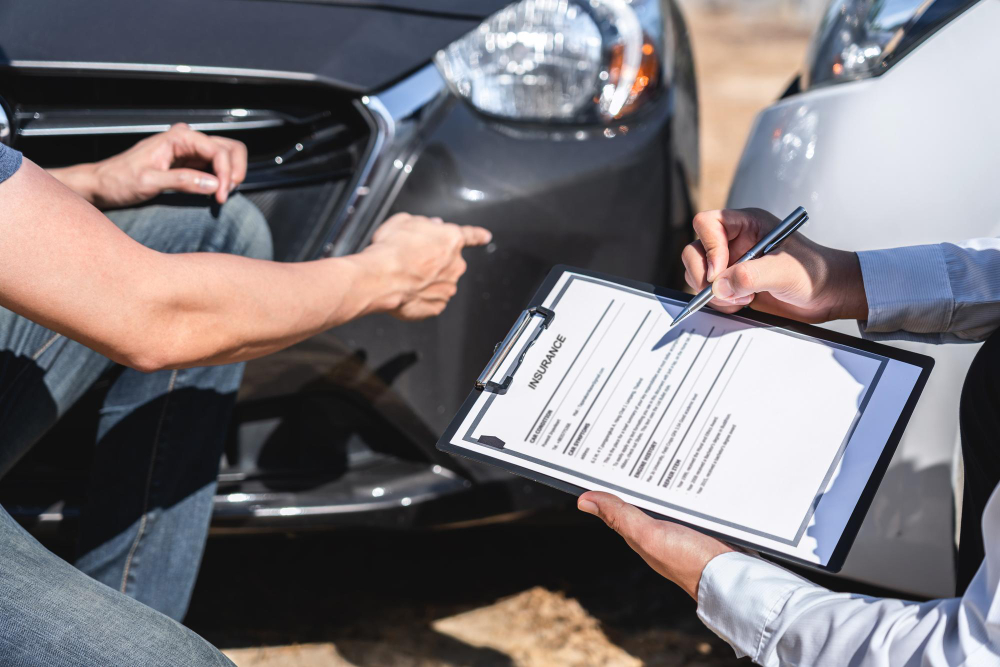
Before you leave the scene of a crash, photograph the vehicles, the surrounding road conditions, and any visible damage. Request a copy of the police report, since insurers rely heavily on it to determine fault, and note the names and contact information of any witnesses.
Step 2: Understand New Jersey’s No-Fault Insurance System
New Jersey requires every driver to carry Personal Injury Protection, or PIP, coverage, with a minimum required limit of $15,000 per person per accident. PIP pays for your medical treatment and related costs regardless of who caused the accident, which means your own policy is typically the first source of coverage for injury-related expenses, separate from any liability claim against the other driver.
Step 3: Calculate Your Total Damages
Add up medical bills, lost wages, vehicle repair estimates, and any other documented, accident-related expenses. Keep every receipt and invoice, since insurers frequently request supporting documentation before approving a payout.
Step 4: Understand Comparative Negligence Before You Negotiate
New Jersey follows a modified comparative negligence rule under N.J.S.A. 2A:15-5.1, commonly called the 51 percent bar rule. If an insurer argues that you share more than half the fault for the accident, you could be barred from recovering anything at all, so understanding how fault will likely be assigned is essential before you agree to any number.
Step 5: Negotiate with the Insurance Adjuster
Present your documentation clearly, state your requested amount with supporting evidence, and be prepared for a counteroffer. Insurance adjusters are trained negotiators, and their first offer is rarely their final one, so patience and organized records work in your favor.
Step 6: Get the Settlement in Writing
Never accept a verbal settlement. Confirm every term in writing, and understand that once you sign a release, you generally give up the right to pursue additional compensation, even if your injuries turn out to be more serious than initially believed.
Common Mistakes Drivers Make When Negotiating on Their Own
Even in straightforward cases, self-represented drivers often make avoidable mistakes that reduce their final recovery. Some accept the first offer without comparing it against their actual documented losses. Others give a recorded statement to the adjuster without realizing that casual, offhand comments can later be used to argue a lower percentage of fault on their part.
Still others fail to account for future medical treatment, only to find themselves responsible for costs that a properly negotiated settlement would have covered.
Understanding these pitfalls in advance puts you in a stronger position, whether you ultimately handle the negotiation yourself or decide to bring in professional help partway through the process.
When to Stop and Call an Attorney
Knowing when to involve an attorney can protect your rights after an accident. Consider seeking legal guidance if the insurer disputes fault, you sustained injuries, or the settlement offer does not account for your documented expenses. At Mark Yampaglia Law PC, we often hear from clients who initially handled claims themselves, only to face complications after accepting a settlement.
Once you sign a release, you may lose the ability to seek additional compensation if injuries require continued treatment or unexpected expenses arise. Consulting an attorney before accepting an offer can help you understand your options and make informed decisions about your claim.
Why Many Drivers Ultimately Choose Representation
Even when a case appears straightforward, insurance companies are structured to protect their own bottom line, not yours. Mark Yampaglia Law PC offers free consultations specifically so you can find out, at no cost, whether your case is one you can safely handle on your own or one that calls for professional advocacy.
Yes, particularly when the accident involved only minor property damage, no injuries, and no dispute over fault. Anything beyond that increases the risk of accepting less than your claim is worth.
Once you sign a release, you typically cannot reopen the claim, which is why it is important to wait until you have been medically cleared before finalizing any settlement.
PIP pays your medical expenses regardless of fault, so those costs are usually handled separately from your liability negotiation with the at-fault driver’s insurer.
Yes, and a fast initial offer is often lower than the claim’s actual value. Take time to fully document your damages before agreeing to any number.
If liability is disputed, injuries are involved, or the offered amount does not reflect your documented losses, it is worth having an attorney review your case before you sign anything.
10 September 2025By Miguel Florendo
Nine Essential Questions To Ask A Personal Injury Attorney
Finding yourself injured in an accident caused by someone else's carelessness is a difficult situation....
Get trusted legal guidance—fill out the form below to schedule your confidential consultation today.
Frequently Asked Questions.
Mark Yampaglia Law PC offers affordable legal representation on a fixed-charge basis. For personal injury and related claims, they use a percentage-of-award billing method, meaning they are not compensated until your case is won.
You can schedule a free initial one-on-one case evaluation consultation with Attorney Mark Yampaglia by calling Mark Yampaglia Law PC.
Yes, the firm is dedicated to providing the time and attention needed to achieve a positive outcome for your case. They also offer personalized attention from a dedicated attorney throughout the duration of your settlement.
If you have been injured due to another person’s actions or negligence in New York or New Jersey, you should contact Mark Yampaglia Law PC. They will schedule a free initial one-on-one case evaluation consultation with Attorney Mark Yampaglia to advise you on how to proceed based on the facts of your claim.